
What Does “Reset” Mean When You’re Grieving?
September often arrives with the feeling that we should be ready for a fresh start.
New routines. New schedules. New goals. A return to school, a change in the weather, and the familiar rhythm of moving forward.
But when you’re grieving, a reset does not mean pretending everything is fine. It does not mean leaving your loss behind, becoming someone new overnight, or forcing yourself to feel hopeful before you’re ready.
Sometimes, a reset is much gentler than that.
Sometimes, it simply means asking:
What do I need today?
What feels too heavy right now?
What is one gentle step I can take?
You do not have to rebuild your whole life in one day.
When Love Changes Shape
Recently, I watched my eighteen-year-old son lock the condo door with a set of keys that weren’t mine in his hand. Grocery bags pressed into his fingers, almost like a quiet badge of adulthood.
The city felt bigger than both of us. And there he was—stepping into his own rhythm.
Pride rose first. Then the ache arrived.
Fo...
First Aid for Grief
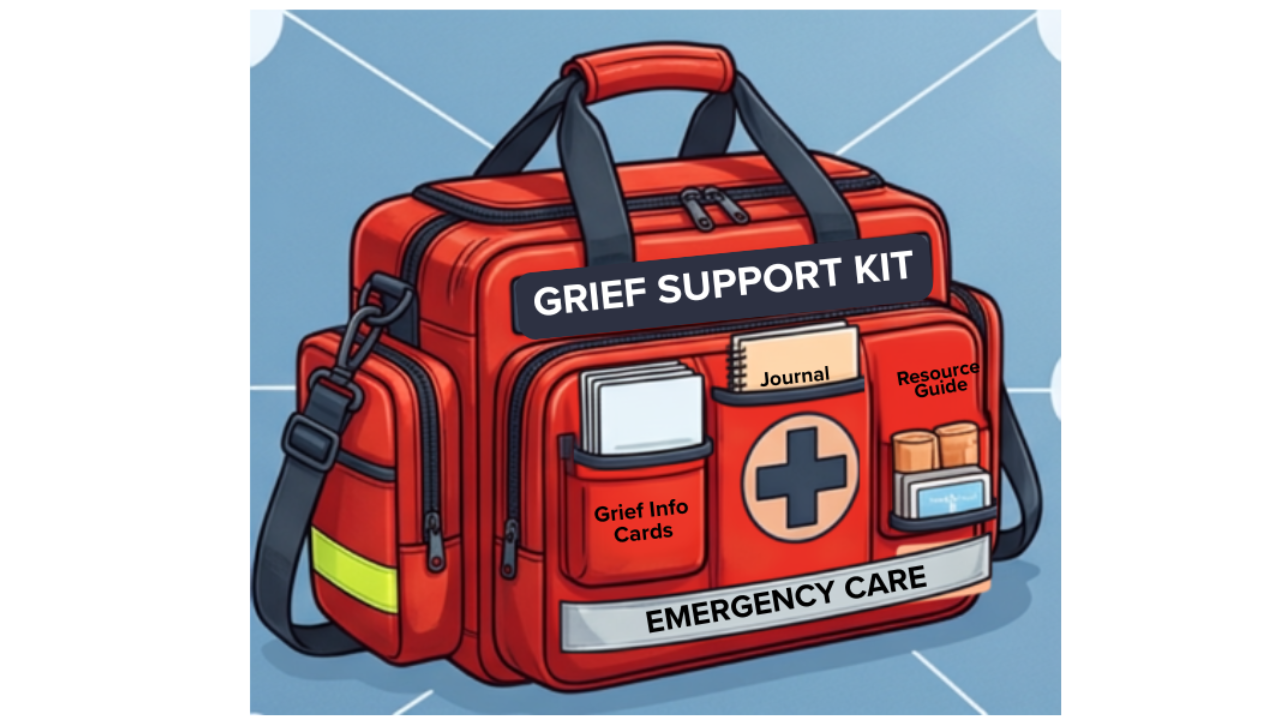
My husband and I have been watching “Chicago Fire” a drama of the life of firefighters and paramedics in Chicago. The paramedics and fire trucks always carry a jump bag filled with necessary medical supplies they will need in emergencies. They provide first aid till the person can be transported to the hospital.
As Stronger Life Connections provides grief support to our community, locally and online, we realize that not many people know first aid for grief that is helpful. Usually we apply bandages that cover up our pain and try to stop the bleeding. When we have said our platitudes, given our advice, we send them on their way hoping time will heal all wounds.
What if we could learn tools that could help people work through the emotional pain of loss and start to build resilience as losses keep coming at us?
I would like to share just one tool that could help someone’s emotional pain. It is simple but hard to do. That is to be present and reflectively listen to the person e...
The Mare Who Wouldn't Be Caught
There's a moment in grief work with horses that I live for.
It's quiet. Almost unremarkable to anyone watching. But to the woman standing in the arena, it changes everything.
Today, I watched a woman walk confidently across the grass, halter in hand, and approach Belle, my wise, discerning mare who does not trust easily when it comes to being haltered.
Belle stood still. Soft. Present.
The woman slipped the halter on like they'd been doing this dance together for years.
But here's what made this moment extraordinary: for the last year, this same woman couldn't get near Belle. Belle would walk away. Turn her shoulder. Make it clear she wasn't ready.
And honestly? Neither was the woman.
Here's what most people believe about grief. The norm I see over and over again is this:
"Grief is something you get over."
"If I just stay busy enough, it won't hurt as much."
"I should be strong—I don't want to burden anyone."
"Talking about loss just makes it worse."
So we keep moving. We carry o...
When Horses Help Us Navigate Grief: A Holiday Reflection Exercise
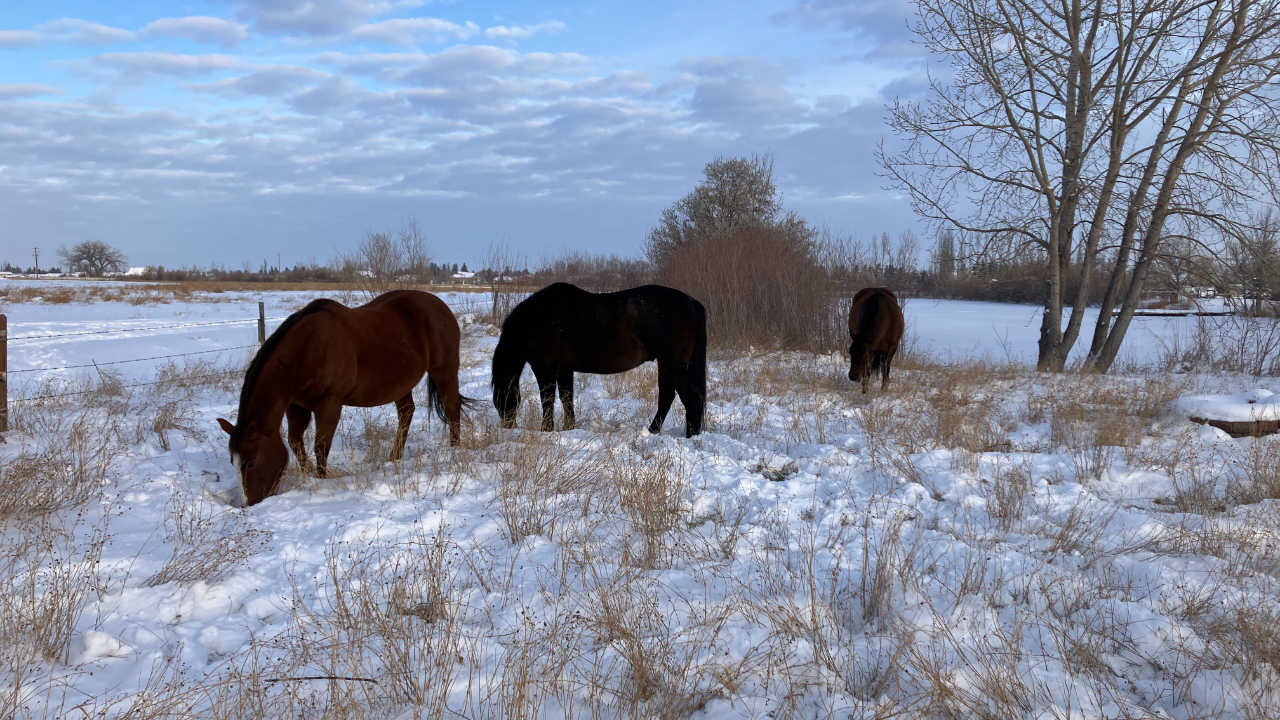
The Gift of Adaptable, Horse-Led Healing
I love to create adaptable exercises—tools that work with what you have, where you are, with whoever shows up (human or horse). Recently, I put my own Holiday Reflective Exercise to the test, not with cones, but with my three horses. Each one became a living, breathing station for reflection.
And what emerged was far more than I expected.
My Three Horses, My Three Questions
Belle: What Am I Carrying?
Belle is an older, wise mare. Dependable. Steady. The kind of horse who holds space without asking anything of you.
As I stood with her, I reflected on what I've been carrying into this season: the loss of vehicles during a summer storm.
That might sound minor. But one of those vehicles was my favorite car—the one we bought so my aging mom could get in and out easily. During COVID, when we weren't allowed into the care facility, they'd let me take her for drives. We'd cruise the familiar roads she'd known her whole life. She was born in this are...
Open Gates by Sharing Stories!!
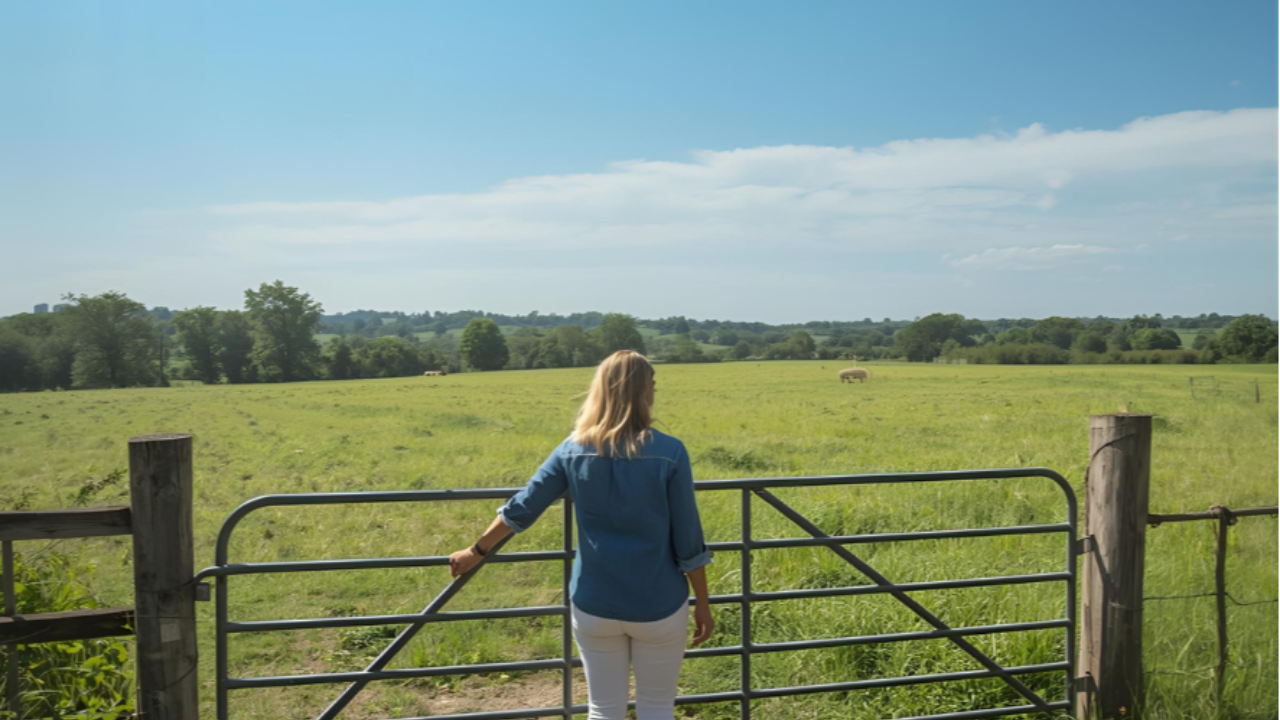
Sharing Stories Changes Lives
I still remember the first time I shared my story of deep hurt with a friend. I was terrified—unsure how they would respond. Would they judge me, blame me, or turn away?
But when I finally spoke, the words flowed out. My friend simply listened—with compassion, understanding, and belief. That moment was the start of my healing journey. I found the courage to open a gate that had long been closed around the pain and loss from childhood trauma.
That experience taught me one simple truth: sharing our stories changes lives.
The Healing Power of Sharing
Research shows that telling our stories is a vital part of emotional healing.
Psychologist Dr. James Pennebaker found that expressing painful experiences in words helps people make sense of emotions, reduce stress, and improve both mental and physical health.
When we share in a safe, non-judgmental space, we begin to integrate our losses instead of being defined by them. Storytelling transforms pain into ...
Wasp Stings and Heart Stings: Lessons in Grief and Growth

We were getting ready for a ride. Everyone was saddled up and warming up in the pen. Cambria was trying out an English saddle on Belle and was walking over the bridge in the obstacle course when suddenly Belle became agitated. She began stamping her feet, clearly distressed. Something was hurting her—and she was trying to manage that pain while carrying a rider.
I ran over quickly and started running my hands up and down Belle’s legs to see what was wrong. There was no visible injury, but it was obvious that something had stung her. The pain lingered even after the cause—later discovered to be a wasp’s nest under the bridge—was gone. We were able to remove the nest, but the sting and the experience stayed with us for the rest of the day.
That wasp sting mirrors the sting of grief.
Loss, whether it’s the death of a loved one, a major change in our relationships, work, health, or a traumatic experience involving our horses, often hits us unexpectedly. We try to wipe it away, move past...
The Grief We Don’t Talk About—But Need To
Has life felt like a constant stream of losses lately?
Maybe something unexpected happened—like the death of a loved one or a difficult diagnosis from your doctor. Then came challenges at work, tension in your relationships, or a sense of not being seen or valued by others. These small but painful moments build up. You start to feel anxious, disconnected, or overwhelmed. You avoid friends. You drift from your routines. And inside, you feel like screaming—but you hold it all together with sheer force of will.
Here’s the truth:
We’re not created to soldier through crisis after crisis without support. Our emotions are meant to be felt, acknowledged, and expressed—not buried.
Grief is a natural response to the emotional pain of loss. And yet, many of us have never been taught how to navigate it.
Why We Stay Silent
Our culture tells us to wear the mask.
Be strong. Stay confident. Don’t let anyone see your confusion or unraveling.
But the reality is—we need to pause.
We need to listen ...
